(photo credit: Microsoft Stock Images)
Brain health becomes increasingly important with age, especially for seniors managing chronic illnesses or disabilities. Nutrition plays a direct role in cognitive function, memory, and mood regulation. Certain foods support blood flow to the brain and reduce inflammation, while others may contribute to cognitive decline. Making informed food choices can help protect mental clarity.
Brain Supporting Foods
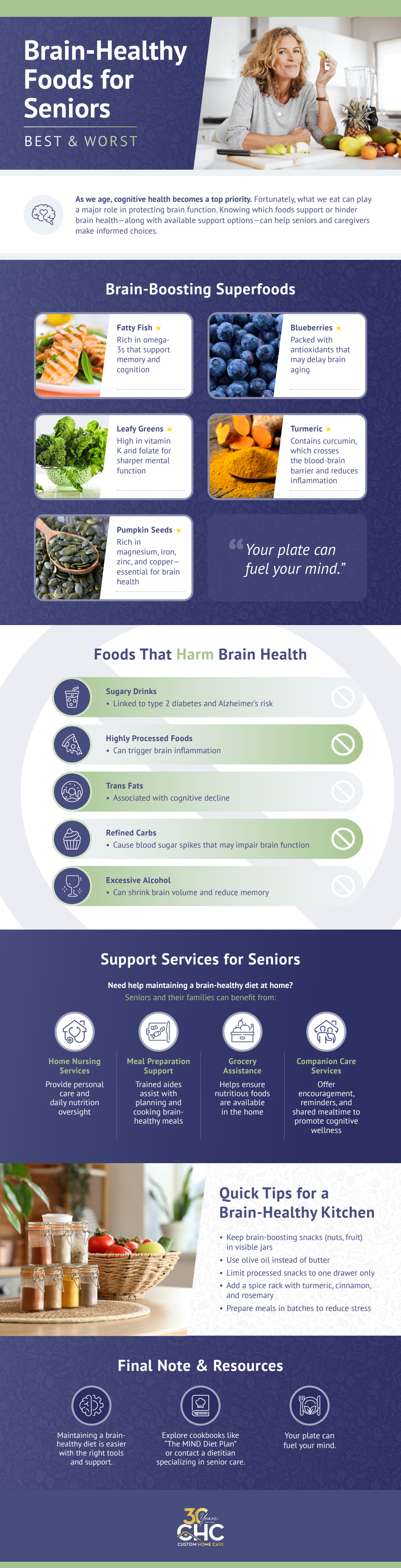
Fatty fish such as salmon, sardines, and trout provide omega-3 fatty acids, which are linked to improved memory and reduced risk of cognitive decline. These healthy fats support communication between brain cells and help manage inflammation.
Leafy greens supply vitamins such as folate and vitamin K. These nutrients are associated with slower cognitive aging. Berries, especially blueberries and strawberries, contain antioxidants that help protect brain cells from oxidative stress.
Whole grains like oats and brown rice promote steady blood sugar levels, which are important for sustained concentration. Nuts and seeds offer vitamin E and healthy fats that contribute to long-term brain support. Hydration also plays a key role, since even mild dehydration can affect focus and alertness.
Foods That May Harm Cognitive Health
Highly processed foods that contain added sugars and refined carbohydrates may negatively affect memory and mood. Frequent spikes in blood sugar can increase inflammation and impact brain function over time.
Trans fats and excessive saturated fats found in fried foods and packaged snacks are linked to vascular issues that may reduce healthy blood flow to the brain. High sodium intake can also contribute to hypertension, which increases the risk of stroke and cognitive impairment.
Balanced meals that prioritize whole foods and limit processed ingredients support overall wellness. Caregivers and elderly care services often encourage simple dietary adjustments that align with medical guidance. Thoughtful food choices can serve as a practical step in protecting cognitive health and maintaining independence. Look over the infographic below for more information.